The Stone Age was a time of mystery, survival, and discovery. It began about 2.6 million years ago and lasted until around 3,000 BCE, when humans started using metal tools. During this long period, early humans shared the Earth with many strange and powerful animals. Some of these animals are well known today, like mammoths and saber-toothed cats. However, there were also unknown or mysterious animals that scientists still study and debate.
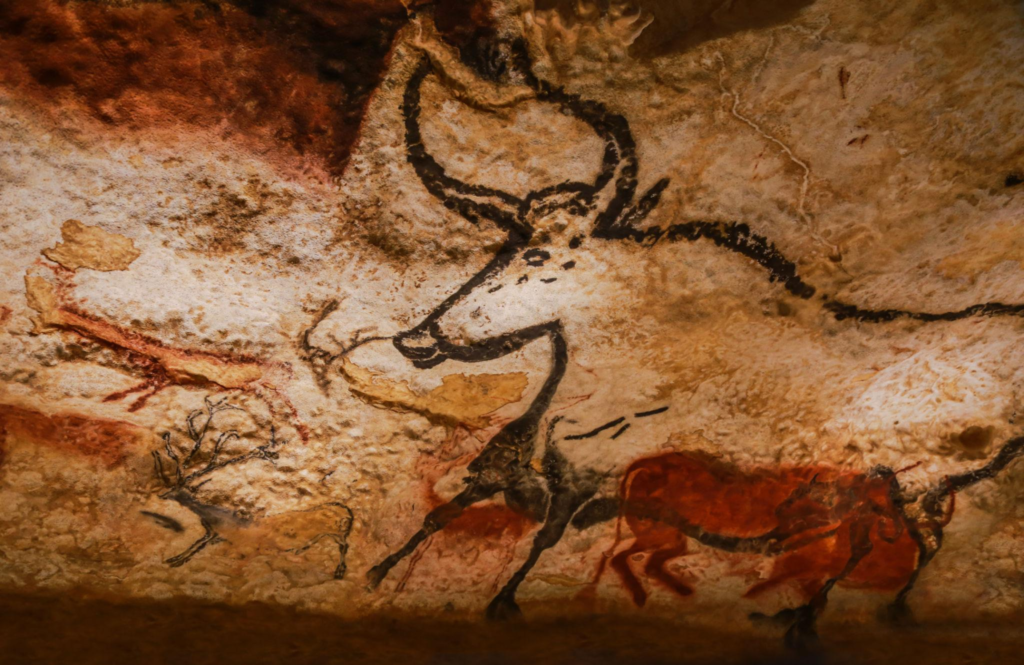
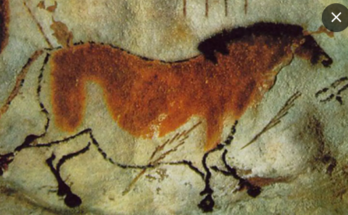
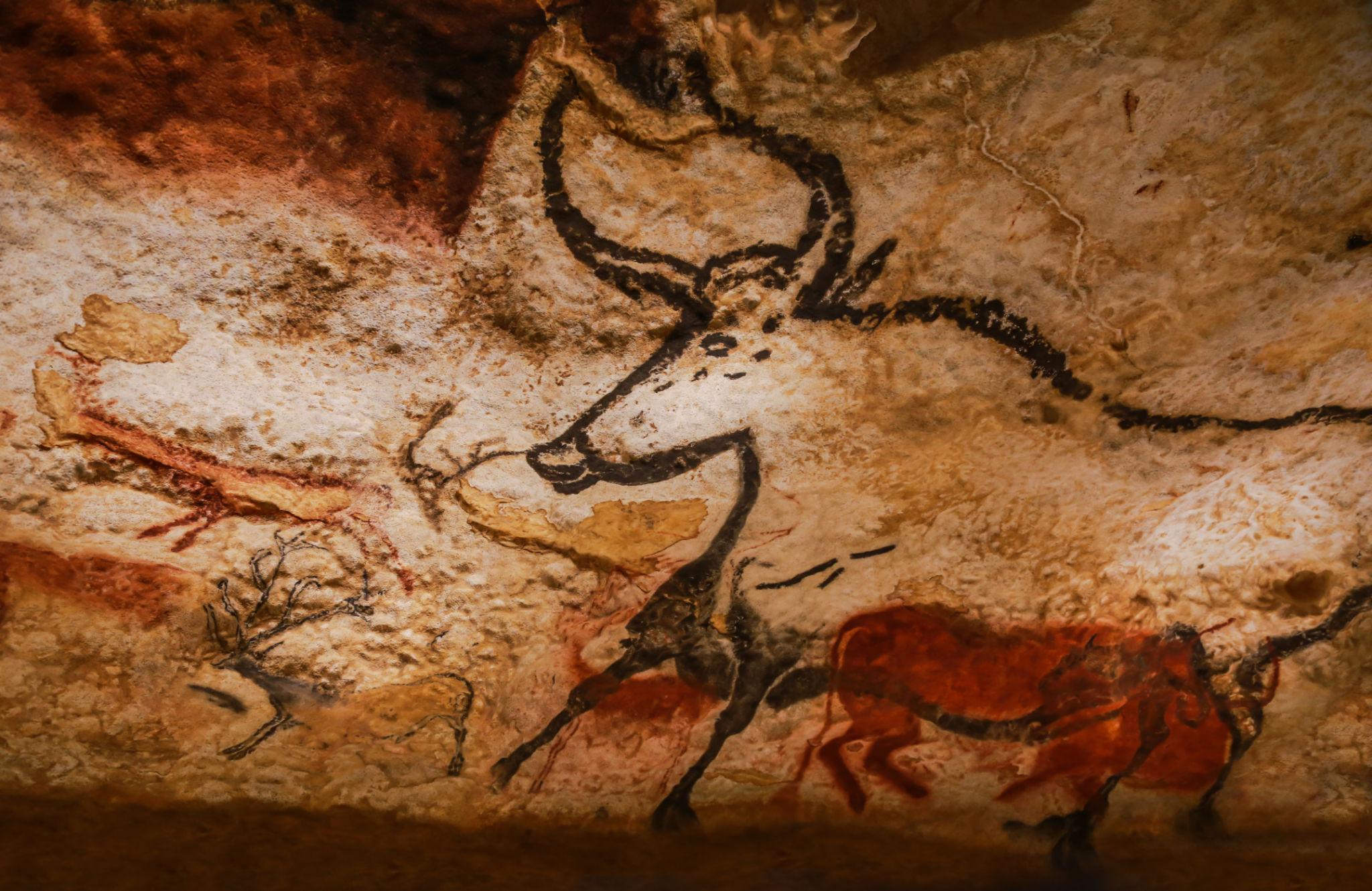
Much of what we know about Stone Age animals comes from fossils and cave paintings. Early humans painted animals on cave walls in places such as the famous caves of France and Spain. These paintings show bison, horses, deer, and other creatures. But some drawings show animals that do not clearly match any known species. These strange figures have led researchers to ask: were these real animals that are now extinct, or were they imaginary creatures created by early artists?
One example is found in the caves of Chauvet in France. Some paintings appear to show animals with unusual body shapes, long horns, or mixed features. They may represent extinct species that lived during the Ice Age but disappeared thousands of years ago. It is possible that early humans saw animals that no longer exist today, and the only record of them is in these ancient artworks.
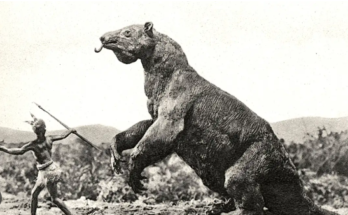
During the Ice Age, which was part of the later Stone Age, many large animals roamed the land. These included the woolly rhinoceros, giant deer, and cave lions. Some scientists believe there were even more species that have not yet been discovered. Fossils can be destroyed over time by weather, earthquakes, or volcanic activity. This means that some animals may have lived and disappeared without leaving clear evidence behind.
Another mystery is the possibility of hybrid or misidentified animals. Early humans might have drawn animals from memory, combining features of different species. For example, a drawing might show the body of a lion with horns like a bull. This does not necessarily mean such a creature existed. It could be a symbol, a spiritual figure, or part of a story told by Stone Age communities.
Some researchers also believe that early humans had strong spiritual beliefs about animals. Animals were important for food, clothing, and tools, so they were respected and sometimes feared. Certain cave paintings may represent spirit animals or mythical creatures rather than real ones. These unknown animals could have played a role in rituals or hunting ceremonies.
In conclusion, the Stone Age was home to many fascinating animals, some known and some still unknown. Through fossils and cave art, scientists continue to learn about these ancient creatures. Although we may never fully understand every mysterious animal from that time, they remind us that Earth’s history is full of secrets waiting to be discovered.